


Click the tartan to view its entry in The Scottish Registers of Tartans which includes registration details, restrictions, and registrant information.
Unregistered tartans may link to one of the web's online design environments for similar information.
For any questions about reproduction of designs or weaving of these tartans, please contact the registrant directly or via this website.
Heath Days
"🎶 Mull of Kintyre, oh mist rolling in from the sea
My desire is always to be here
Oh Mull of Kintyre
Far have I travelled and much have I seen
Dark distant mountains with valleys of green
Past painted deserts, the sun sets on fire
As he carries me home to the Mull of Kintyre"
~ Mull of Kintyre, Paul McCartney and Denny Laine, 1977
This tartan was inspired by the Kintyre region in Scotland, capturing the essence of the wintry heath and colours found in the area.
A heath habitat is an open, windswept landscape dominated by low shrubs rather than trees, shaped by poor, acidic soils, heavy rainfall, and exposure to Atlantic weather. On the Mull of Kintyre, heathland often stretches right to the coastline, with soft, sometimes boggy ground formed by peat. The vegetation stays low to the ground, creating wide, open views and a landscape that shifts from muted browns and greens in winter and spring to vivid purple and gold when in bloom later in summer.
The plant life is specially adapted to these harsh conditions. Heather is the defining feature, carpeting the land in late summer, alongside bell heather and cross-leaved heath in wetter areas. Gorse adds bright yellow color and a distinctive coconut-like scent when flowering, while bog myrtle, mosses, and lichens fill in the damp ground.
Despite its sparse appearance, heathland supports a rich variety of wildlife. Red deer graze across the hills, and birds such as red grouse, skylarks, and meadow pipits are common, with birds of prey like hen harriers hunting overhead. Small reptiles and many insects thrive amongst the heather. 💚 💛 ❤️ 🤎 🖤 🦌 🪶
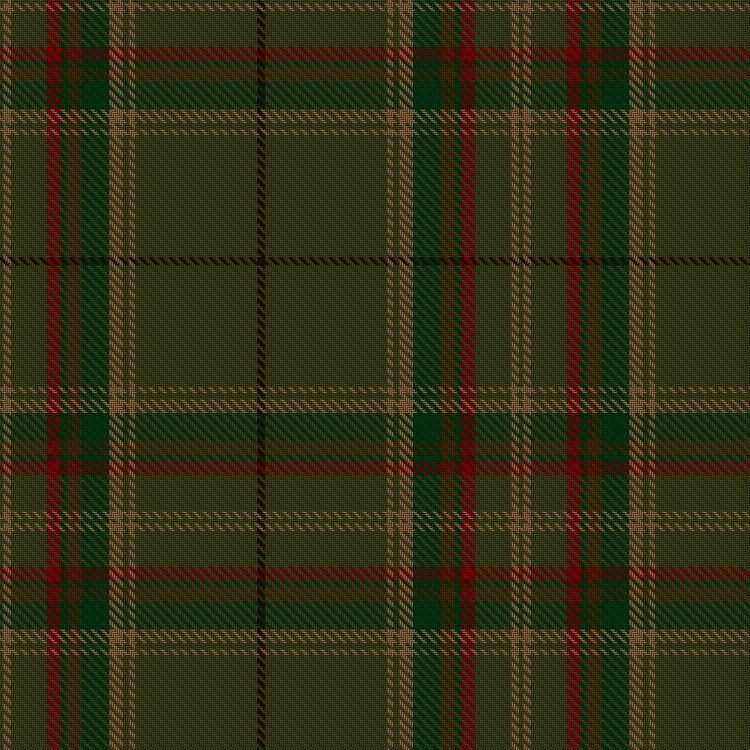

The Mull of Kintyre, a rugged peninsula forming the southwestern tip of mainland Scotland, has been a place of strategic importance for thousands of years. Archaeological evidence shows human activity here dating back to the Neolithic period, with early settlers drawn to its coastal resources and relatively mild climate. Its position, jutting into the North Channel and pointing toward Ireland, made it a natural crossroads between Scotland and Ulster, fostering early cultural and trade connections across the water.
In the early medieval period, Kintyre became closely tied to the Gaelic kingdom of Dál Riata, a seafaring people who moved between western Scotland and northeastern Ireland. The region’s name itself comes from the Gaelic Ceann Tìre, meaning “head of the land.” Control of Kintyre shifted over the centuries, particularly during the Viking Age, when Norse influence spread along Scotland’s western seaboard. The peninsula was formally ceded to Scotland in 1266 under the Treaty of Perth, ending Norwegian claims in the region.
During the later medieval and early modern periods, Kintyre was dominated by powerful Highland clans, most notably the MacDonalds, Lords of the Isles, and later the Campbells. The area saw its share of conflict, including struggles for control between these rival families. In the 17th century, Kintyre was also affected by wider political and religious upheavals, including the Wars of the Three Kingdoms, which left lasting marks on the local population.
By the 18th and 19th centuries, Kintyre experienced economic changes tied to agriculture, fishing, and later small-scale industry. Like much of the Highlands, it was not immune to the disruptions of the Highland Clearances, though these were less extensive here than in more northern regions. Emigration became a significant theme, with many residents leaving for North America and beyond, shaping the diaspora connections that still resonate today.
In the modern era, the Mull of Kintyre has become known for its dramatic scenery, maritime heritage, and cultural associations, including its appearance in music and popular culture.
For more about landmarks for a roadtrip to the Kintyre region, click the photo!