


Click the tartan to view its entry in The Scottish Registers of Tartans which includes registration details, restrictions, and registrant information.
Unregistered tartans may link to one of the web's online design environments for similar information.
For any questions about reproduction of designs or weaving of these tartans, please contact the registrant directly or via this website.
St. Piran's Day
"Where not a sound is heard
But the white waves, O bird,
And slippery rocks fling back the vanquish'd sea,
Thou soarest in thy pride,
Not heeding storm or tide;
In Freedom's temple nothing is more free."
~ The Cornish Chough, John Harris (1820-1884)
Happy St. Piran's Day and “Gool Peran Lowen” to Cornwall (Kernow)!
Each colour in the Cornish National Tartan has a special meaning: White on Black for St. Piran's Banner (the Patron Saint of Tinners); Black and Gold for the colours of the ancient Cornish kings; Red for the beak and legs of the Chough, the Cornish national bird; and Blue for the sea surrounding Cornwall.
“Chough” was originally an onomatopoeic name for the jackdaw (another member of the crow family) based on its distinctive “chough chough” call!
Saint Piran is one of Cornwall’s most beloved saints, traditionally said to have floated across the sea from Ireland on a millstone before landing on the Cornish coast. As the patron saint of tin miners, he is associated with the discovery of tin when, according to legend, white metal flowed from black rock in his hearth — the origin story behind the striking black-and-white Cornish flag. His feast day on March 5th has become a joyful celebration of Cornish identity, language, and heritage, with processions, music, and plenty of black-and-white banners waving proudly in the sea breeze.
Celebrate today with Cornish pasties, cream teas (jam or cream first — choose your loyalties wisely!), and saffron buns — or, if more athletically minded, a bit of Cornish dancing or even Cornish wrestling.
“Kernow bys vyken!” (Cornwall forever.) 🖤 🤍 💙 ❤️ 💛 🪶 🪶 🪶
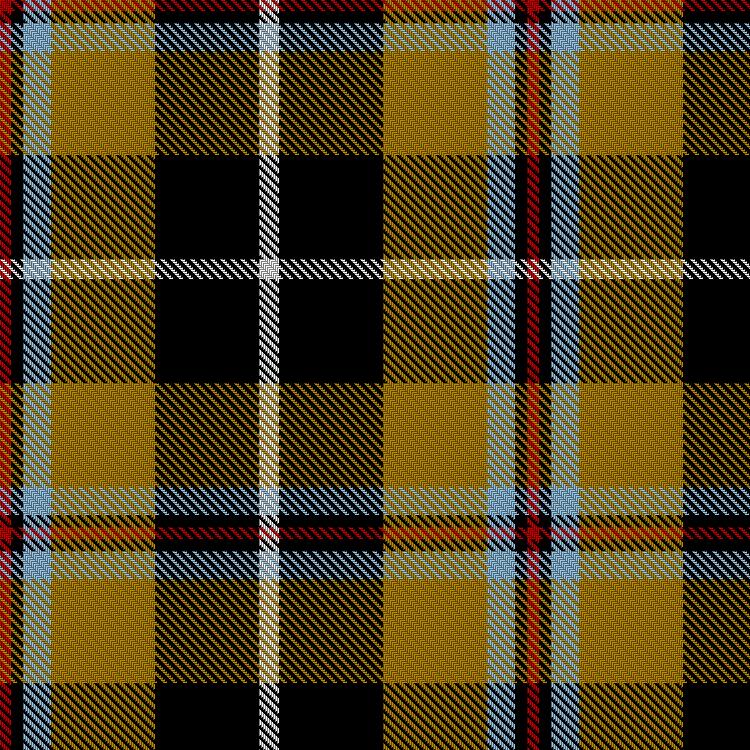

Cornwall—known in the Cornish language as Kernow—forms the rugged southwestern tip of Britain, a peninsula nearly encircled by the Atlantic. Its earliest known inhabitants were Celtic Britons, and Cornwall developed as one of the last strongholds of native Brythonic culture after the Anglo-Saxon expansion across much of England. The Cornish language, closely related to Welsh and Breton, survived for centuries as a living community tongue. Even today, it is undergoing revival, and Cornish identity remains vibrant and distinct.
During the early medieval period, Cornwall existed as a semi-independent Celtic kingdom before gradually coming under the influence of the English crown. Legends woven into Britain’s mythic past—especially those surrounding King Arthur—are often connected to Cornwall, particularly at Tintagel Castle, long associated with Arthurian lore. Meanwhile, St Michael's Mount, a tidal island crowned by a medieval castle and church, reflects Cornwall’s strategic and spiritual importance across centuries.
Cornwall’s global significance grew through mining. Rich deposits of tin and copper made it a major industrial center from ancient times through the 18th and 19th centuries. Cornish tin was traded across Europe even in the Bronze Age. By the 1800s, Cornwall was a world leader in mining technology, and Cornish engineers and miners emigrated widely—to Australia, South Africa, and the Americas—spreading expertise and leaving a lasting diaspora. The region’s industrial heritage is now recognized through the Cornwall and West Devon Mining Landscape World Heritage Site.
Cornwall takes its name from the Cornovii tribe and the Old English “wealas” (foreigners), reflecting its Celtic roots distinct from Anglo-Saxon England. The black-and-white banner of St. Piran—the patron saint of tin miners—remains a powerful symbol. The Cornish chough, with its red beak and legs, is another emblem of regional pride. Today Cornwall blends this ancient Celtic heritage with a modern economy centered on tourism, fishing, agriculture, and the arts, all set against dramatic cliffs, moorlands like Bodmin Moor, and its rugged and beautiful coastline.
For more on Cornish wildlife, click the Cornish flag.